
This report is based on a focused group discussion to assess Russia’s post-2022 pivot to Asia through the lenses of defense cooperation, energy diplomacy, institutional participation, and soft power outreach.
This report is based on a focused group discussion to assess Russia’s post-2022 pivot to Asia through the lenses of defense cooperation, energy diplomacy, institutional participation, and soft power outreach.
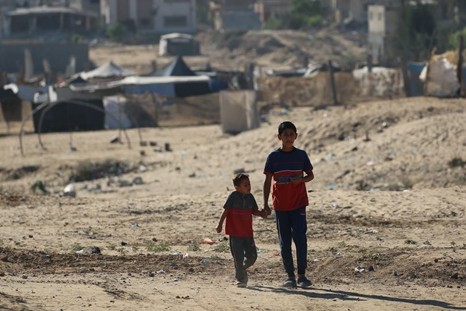
The Middle East crisis profoundly impacts the Philippines through oil, migrant workers and regional stability.

Disinformation in the South China Sea is a complex challenge requiring a multi-pronged effort and global cooperation.
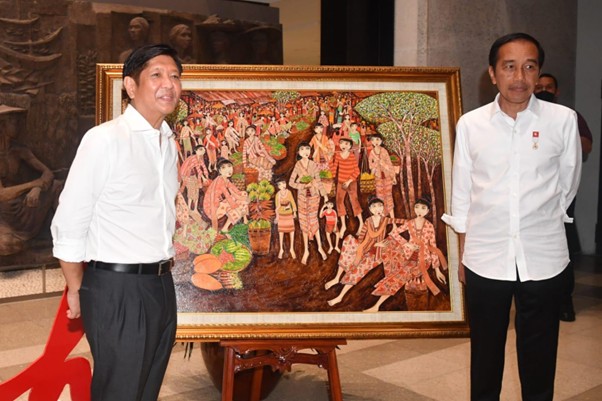
Political dynasties in Indonesia and the Philippines erode democracy by leveraging influence, wealth and strategic positions for family power.

China’s persistent aggressive tactics threaten the territorial integrity of the Philippines and the international maritime order.

An unstable Middle East is not good for the Philippines’ economic interests.

Philippine President Ferdinand Marcos Jr. is stuck in a high-stake gambit between upholding commitments to the United States, responding to China’s antagonism and managing ASEAN discontent.

Due to the ongoing global geopolitical flux, there is an imperative for the Marcos Jr. administration to consider the Middle East and North African (MENA) region as an alternative source of investment, foreign tourists and market for Philippine products.

If allowed to return, the Philippine government must consider that accepting the return of Foreign Terrorist Fighters will create a dilemma for the country. On one end, the government is responsible for its returning citizens; on the other, it increases the risk of Filipino families being recruited into terrorism.

Underneath all of President Rodrigo Duterte’s strongman bravado is a deep-seated insecurity, resulting in a widespread defeatist attitude. This defeatism, while can be traced back to Filipino’s culture and the country’s longstanding alliance with the United States, manifests in Duterte’s pivot to China policy and neutrality in the Ukraine crisis. It has also provided a suitable context that ushered the return of the Marcos family to power.