

With easier access to information and education system, Indonesian youths may play a significant role in preventing a repeat of national polarization of the past ahead of next year’s presidential election.
With easier access to information and education system, Indonesian youths may play a significant role in preventing a repeat of national polarization of the past ahead of next year’s presidential election.

Malaysia’s opposition recently accused an interfaith initiative by the Ministry of Youth and Sports of attempting to evangelise Muslim youth. Notably, JAIS and MAIS also aligned themselves against this initiative. With this mix, what does it mean for Malaysia and the current government?
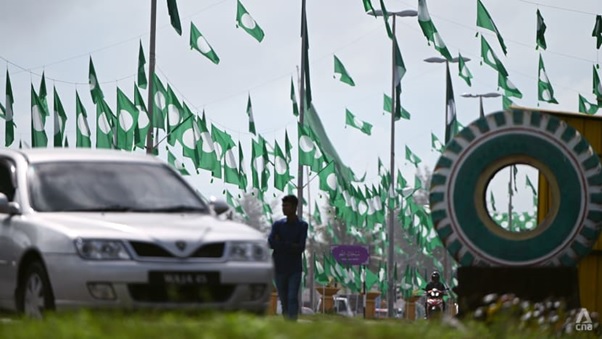
The 15th General Election (GE15) witnessed Parti Islam Se-Malaysia (PAS) emerging as the biggest winner after capturing 49 seats, the largest bloc by a single party in the parliament. An assessment on the rise of the Islamist party is necessary to measure how PAS’ success has changed Malaysia’s political landscape.
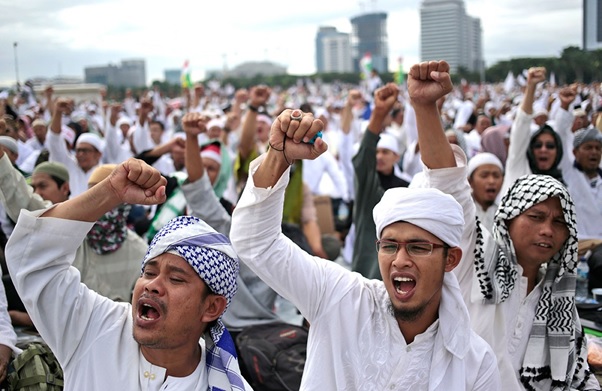
Concerns are abound whether Indonesia would see another surge of identity politics being drummed up by Aksi 212 movement again ahead of the 2024 elections.

In the campaign period of GE15, PAS and other right-wing groups successfully exploited the Malay Muslim insecurity. Following PAS’ spectacular showing in the election, the challenge to Malaysia ahead is not only about the growth of Islamism, but also the rise of right-wing Malay Muslim majoritarianism.

This article traces the seeds of the protracted political crisis in Malaysia and various developments that took place in the last three years while also providing an analysis on post-GE15 events.

The appointment of Anwar Ibrahim as Malaysia’s 10th Prime Minister may end last week’s unprecedented political instability but it is no by means a termination point of Malaysia’s political drama. Facing challenges from inside and outside his unity government, Anwar Ibrahim has no time to enjoy his government’s honeymoon period.

The dynamics behind the “Islamization race” in Malaysian politics is changing. Apart from the UMNO-PAS competition as the “defender” of Islam, Malaysia is currently experiencing “Islamization by trolling” with real life consequences.

Past governments in Malaysia had issued Islamic initiatives as the Inculcation of Noble Values, Islam Hadhari, Indeks Syariah Malaysia, Rahmatan-lil-‘Alamin, Manhaj Rabbani and Inisiatif Mantap, all of which sizzled out following the fall of their respective political advocates. What may be the next Islamic initiative by the new government after the 15th General Election (GE15)?

Comprising 64% of the total population, the Malay-Muslim group in Malaysia is experiencing political fragmentation with Malay-based parties/coalitions fighting a four-corner fight to grab the group’s votes in the 15th General Election (GE15). But will these parties/coalitions resort to an exclusivist approach focusing on Malay-Muslims?