

A year on, what are the implications of JI’s dissolution in the region?
A year on, what are the implications of JI’s dissolution in the region?

Women’s role in deradicalization process often goes unnoticed by the public.

Through interviews with Malaysian ex-detainees arrested on terrorism-related charges, this article demonstrates the importance of family and faith in building resilience to overcome the challenge of arrests and imprisonment.

Scores of terror inmates recently abandoned their radical beliefs and embraced the sovereignty of Indonesia. Is that enough?
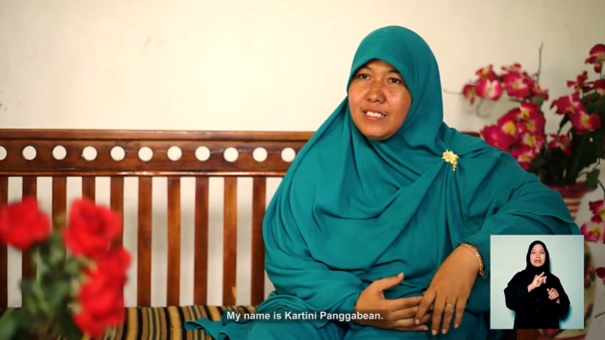
Through a case study, SRILI underscores the roles Indonesian women play in perpetuating and preventing terrorism.

In light of the suicide bombing in Indonesia on 7 December 2022, preventing terrorist recidivism is crucial. This can be facilitated by developing accurate assessment tools to understand the propensity of former terrorists to reengage in violence and through customized intervention.

The recent suicide attack in Indonesia on 7 December 2022 was conducted by a terrorist recidivist. The author is proposing a new lens to understand why terrorists continue to reoffend.

If allowed to return, the Philippine government must consider that accepting the return of Foreign Terrorist Fighters will create a dilemma for the country. On one end, the government is responsible for its returning citizens; on the other, it increases the risk of Filipino families being recruited into terrorism.

The Malaysian approach to deradicalization is facing significant challenges during the COVID-19 pandemic. The split between public and private entities towards violent extremist rehabilitation jeopardizes the effectiveness of mandatory deradicalization programs in Malaysian prisons.

Religious extremism continues to loom over Southeast Asia. Notably, the Taliban resurgence may provide fodder for legitimizing extremist religio-political ideologies. This article explores the mechanisms that enable Brunei Darussalam to remain resilient against extremist religious ideologies.