search

Credit: Majid Asgaripour/Reuters
Article Series: Political Implications of the Iran War for Southeast Asia
30 June 2026
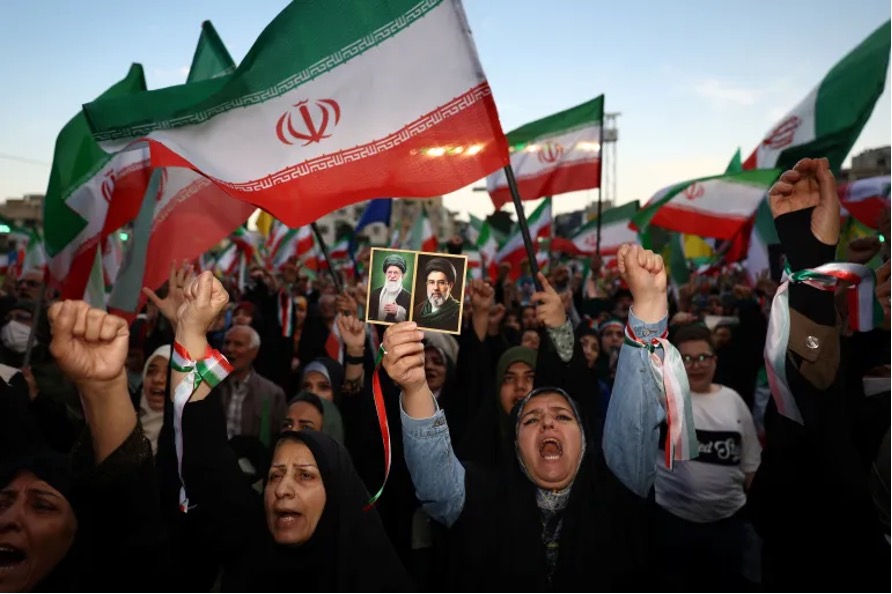
Uncertainty in West Asia persists despite attempts by the United States and Iran to broker a ceasefire, even as Israel continues to illegally occupy southern Lebanon. Unfortunately for Southeast Asia, the attendant political, economic and social implications are likely to remain for quite some time into the future.
This article series is an attempt to document and analyse what some of these impacts are, focusing primarily on the political domain as well as how the ensuing economic turbulence has bled into the realm of politics and governance.
In May this year, we commissioned experts, scholars and professionals from across Southeast Asia to write their analysis on the following countries: Thailand, the Philippines, Malaysia and Indonesia. The five articles in this series immediately agree on two key takeaways: that all the countries in focus are struggling to cope with the economic and energy constraints and that failure to manage these constraints would result in severe political tumult.
Highlighting the challenges faced by Thailand, a net oil importer, Foo Siew Jack underscores the ongoing stagflation and the country’s extreme current account as well as trade deficits. The newly elected government, led by the Bhumjaithai Party (BJT), issued a US$5.4b stimulus package at the risk of ballooning its public debt, though the alternative might be worse for the party: the loss of provincial loyalty and potential disintegration of the ruling coalition.
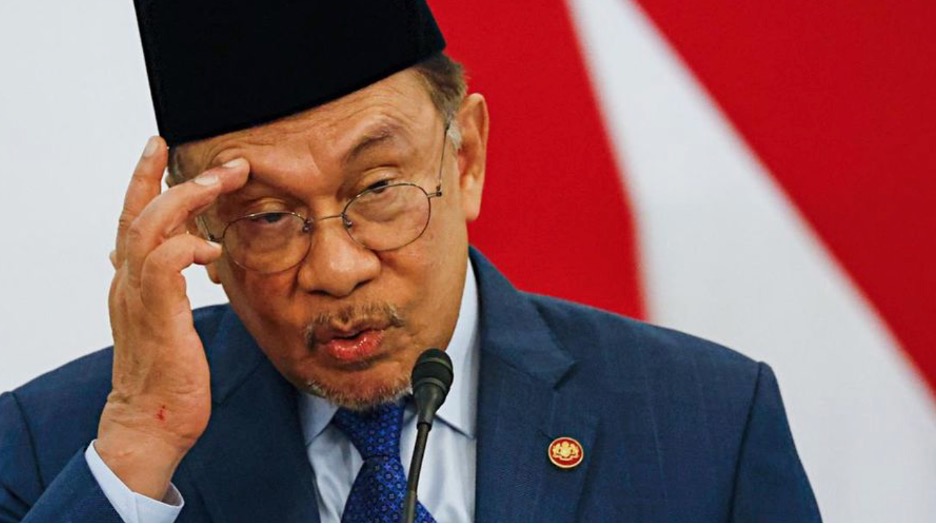
Malaysia’s conundrum takes a different shape, argues Dr Syaza Shukri. The global energy shock has pushed the newly launched fuel rationalisation programme to an unsustainable point, derailing the fiscal stability experienced at the start of 2026. With three state elections on the horizon and his own electoral survival uncertain, Prime Minister Anwar Ibrahim has taken less risky roads but must continue treading the thin ice in the months ahead.
In contrast, the Philippines’ reaction has been lauded as among the most aggressive and comprehensive response to the crisis, ranging from wide-range targeted assistance to the repatriation of overseas Filipino workers. Don McLain Gill, nonetheless, cautions that these measures could deepen domestic political fracture by providing fuel for critics and opponents of President Ferdinand “Bongbong” Marcos Jr. He also asserts that no nation can stand on its own at a time of crisis, a fact that Manila acknowledges very well; it seeks to leverage its ASEAN chairmanship to rally collective regional response.
Johannes Nugroho posits that the Indonesian government’s underestimation of the public support towards Iran, as well as some policy missteps, has resulted in mounting political pressure on the Prabowo administration. Meanwhile, Lina A Alexandra and Pieter Pandie maintain that the Iran war has exposed Indonesia’s structural economic weaknesses, maritime risks and policy inconsistencies.
Whether we reside in Jakarta, Manila, Kuala Lumpur, Bangkok or elsewhere in Southeast Asia, one thing is certain: the Iran war has impacted our lives in one way or more. Let this war be a reminder to us in Southeast Asia that the path of aggression and violence is never an answer and that our forefathers embraced consultation and consensus precisely to avert the unthinkable horrors of war.
Sham Ismail
Chief Editor