

While focused on managing COVID-19, Indonesia is encountering an increase in female domestic violence victims. Though avoidable, it is never too late for Indonesia to address this emerging crisis.
While focused on managing COVID-19, Indonesia is encountering an increase in female domestic violence victims. Though avoidable, it is never too late for Indonesia to address this emerging crisis.

The last ISIS-family suicide bombings in Surabaya is a sign for the government to remain vigilant towards the imminent threat of terrorism which targets women and children as potential actors.
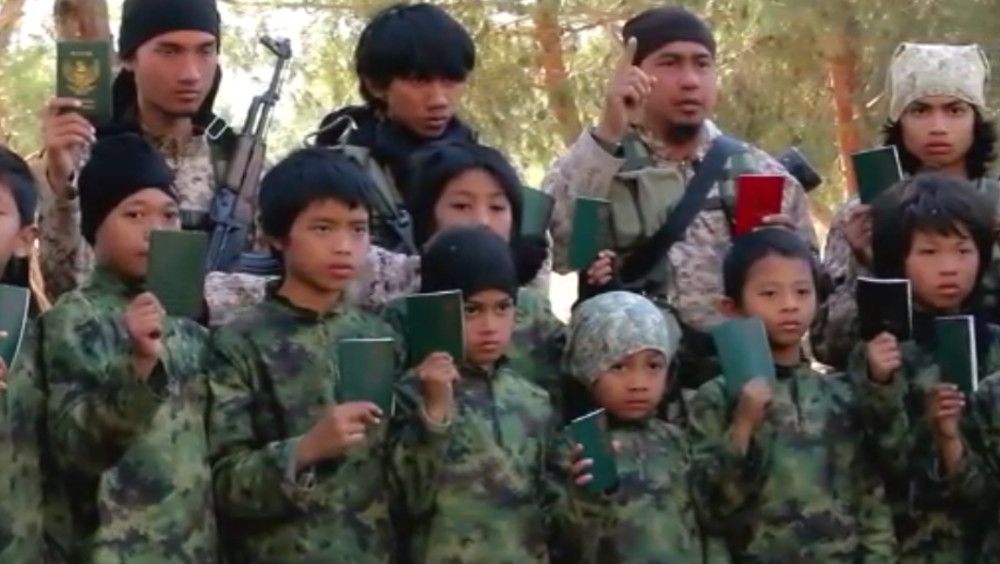
Indonesian children face an increased risk of online radicalization during COVID-19. This commentary discusses the challenges to prevent such radicalization while proposing how the involvements of social influencers may be a step forward.

Indonesia’s overemphasis on post COVID-19 economic recovery through the passing of the Omnibus Law has the potential to prolong economic downturn currently caused by the pandemic. Indonesia seems to be focusing on the wrong policies to meet with existing challenges.

Why religion continues being integral to Indonesians can be viewed from a supply and demand perspective. State-perpetrated religious discriminations and the potential rise of conservative and hardline groups are concerning. These may lead to a rising tide of intolerance in Indonesia.

Indonesia is home to the third largest population of tobacco consumers in the world. Without tougher tobacco control regulations, tobacco consumption will remain a public health threat.

Indonesia will likely proceed with its regional elections, also known as Pilkada, on 9 December 2020. Despite there being little respite of COVID-19 infections in Indonesia, lawmakers and politicians have instead rationalized why Pilkada cannot be delayed again.

The first of this two-part analysis explores the roles of women in terrorism in Indonesia since the 1950s to 2010s. It describes the limited roles women play in these radical movements and the reasons behind their subordination.

The second of this two-part analysis explores the roles of women in terrorism in Indonesia since the ISIS’ declaration of a caliphate in 2013. It describes the expansion of women’s role in terrorism; no longer hiding behind male nom de guerre.
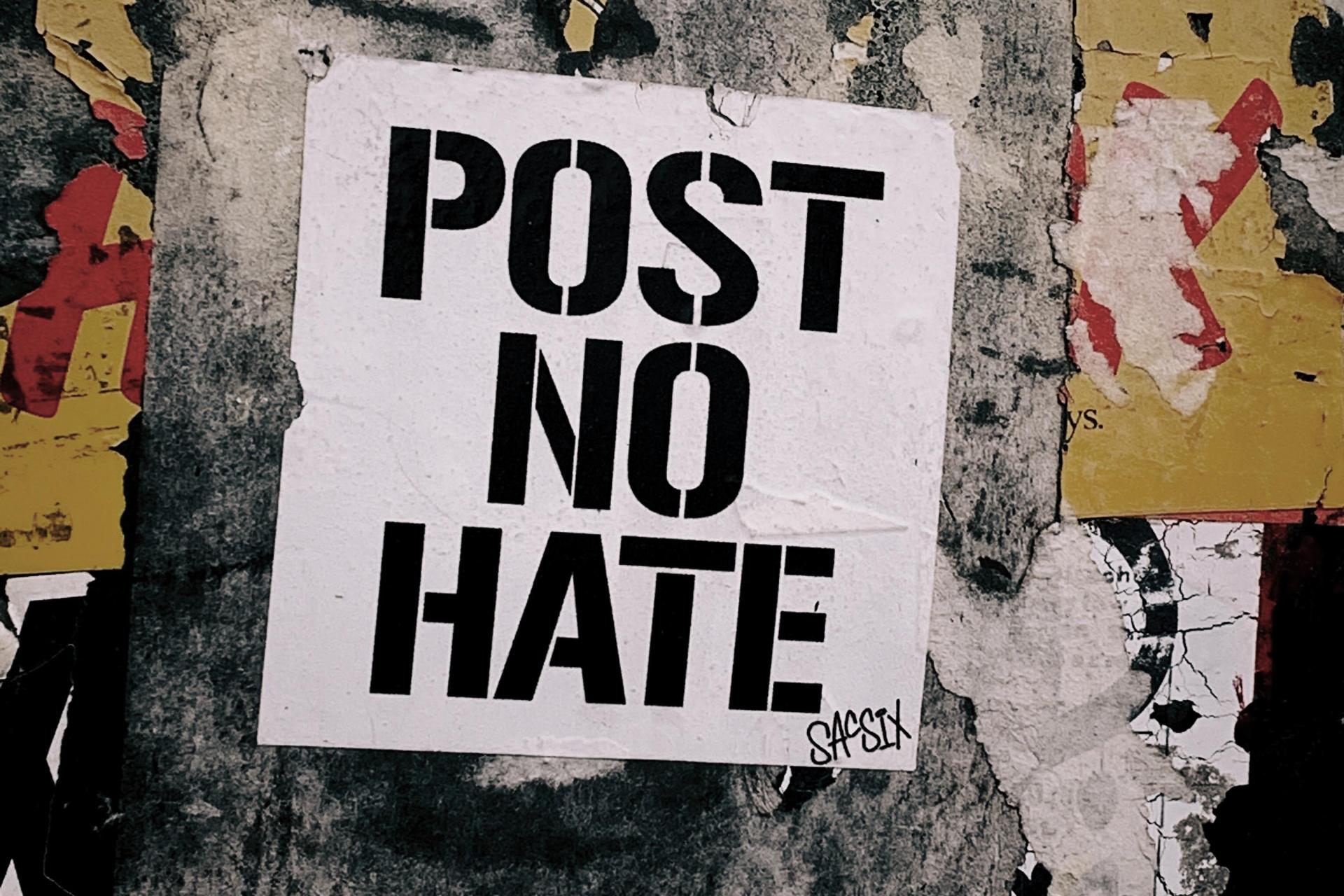
The dissemination of hateful contents generally increases in Indonesia during crises such as COVID-19 and political contestations. Such hateful contents reflect deep-seated sentiments that have developed through Indonesia’s history.