
Introduction
Fringe and absurd phrases such as “Tralalero Talala” and “Bombardino Crocodilo” have evolved into a widespread cultural phenomenon that defines our online and offline conversations these days.
Once dismissed as trivial digital distractions, these AI-generated memes now echo beyond social media, manifesting in public spaces, such as children chanting “tung tung tung tung sahur” in the streets.
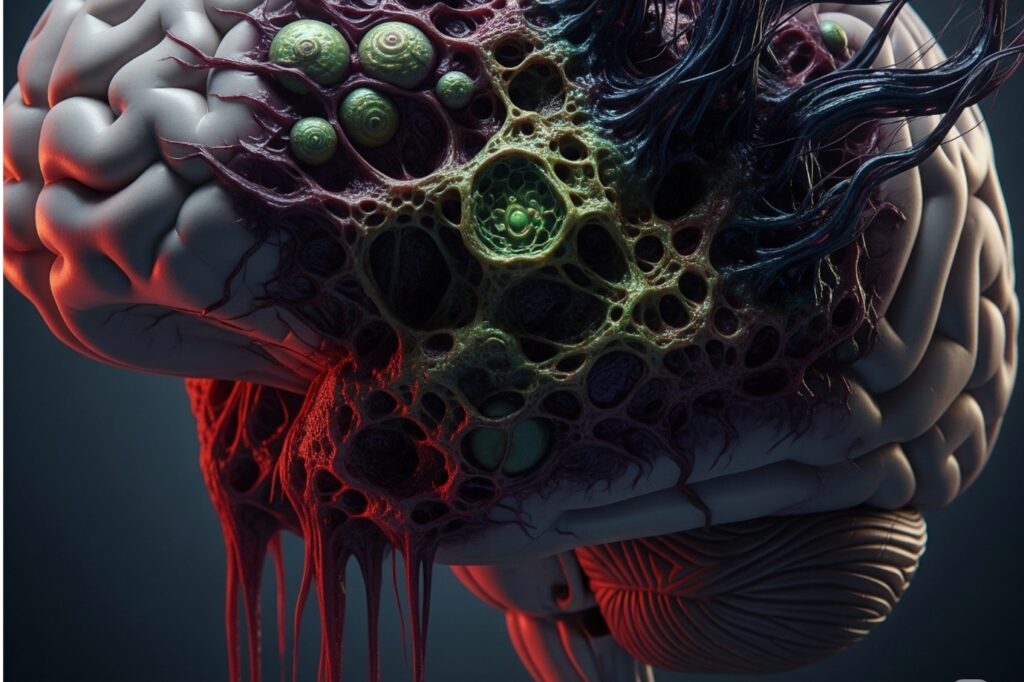
This phenomenon, now infamously referred to as “brain rot”, is no longer confined to obscure online communities. It has begun infiltrating corporate marketing strategies, populist political discourse and a variety of hybrid media formats that defy traditional categorisation.
Whether for profit, parody or sheer chaos, one thing is clear: brain rot keeps evolving. But were we too quick to dismiss it as harmless digital noise? Is there purpose buried in the nonsense—or are we ignoring deeper concerns that may demand serious attention?
A Recipe for Brain Rot
One may reasonably ask: what exactly constitutes a brain rot content? Is it simply a subcategory of memes, or does it represent a distinct phenomenon?
While not all memes qualify as brain rot, all brain rot content draws heavily from the meme culture. The distinction lies in intent and coherence. Traditional memes, even those rooted in absurdity, typically reference identifiable subjects such as politics, pop culture or shared social narratives. They conveyed meaning, whether through satire, commentary or inside jokes.
In contrast, brain rot content deliberately rejects coherence. It retains the familiar structure of meme culture (short, highly visual and often absurd) but discards narrative, context, or communicative intent.
What remains is a disjointed stream of stimuli masquerading as content: “Skibidi Toilet”, “Sigma Grindset” and “Minecraft Parkour Overlays”, among others. These are not parodies nor critiques; they are algorithmically assembled hallucinations, optimised for stimulation rather than expression.
Brain rot content would typically consist of the following elements. First, it must be extremely short to allow maximum compression of attention, leaving zero space for nuance. Second, it needs to be loopable, engineered for infinite scrolling and minimal cognitive interruption. Third, it leans on AI tools to generate chaotic visuals and uncanny audio that feel both surreal and familiar. Finally, its evolution is shaped by algorithmic preferences that prioritise engagement over substance.
The Birth of Brain Rot
In a world where attention is the currency and information flows faster than thought, content is designed for frictionless consumption.
The trend arguably began with Vine’s launch in 2013, which marked the advent of ultra-short video formats. Vine’s six-second videos birthed a generation of micro-skits and visual gags—from “Road work ahead… uh yeah, I sure hope it does” to surreal edits like “Fre Sha Voca Do.”
This format expanded as YouTube and Instagram adopted short-form video through Rewind compilations and Stories, respectively.
While the absurdity remained playful, content during this phase still favoured emotional resonance and creative iteration. Viral trends such as the “In My Feelings” dance challenge or the now-dated “Harlem Shake” reflected an era where digital virality retained some communicative integrity.
TikTok (Douyin in China), however, transformed the landscape entirely.
Originally conceived as a lip-syncing platform, TikTok evolved into a highly optimised environment for algorithm-driven content proliferation. Its For You Page (FYP) – equipped with continuous scrolling, looping sounds and auto-captioning – created fertile ground for brain rot to thrive. What began as innocuous lip-syncs and filtered pet videos quickly devolved into auto-generated toilet animations and clips of SpongeBob screaming political slogans like “Hidup Jokowi” (long live Jokowi).
Brain rot thrives in these spaces because it demands low cognitive investment. One does not need to understand what they are watching; they just need to feel it. Confusion is no longer a byproduct; it is the entertainment itself.
Brain Rot w
Since the pandemic, memes have become an emotional currency during challenging times. As psychologist Pamela Rutledge observed, individuals turn to memes as a coping mechanism, using humour to impose structure on chaos and render collective anxieties more manageable.
When the Ukraine conflict sparked online panic about World War III, memes about being “drafted” flooded timelines. Beneath the absurdity was genuine fear, masked in irony. These moments of “brain rot” were more than mere jokes; they were collective therapy sessions in digital form.
Furthermore, beyond emotional relief, brain rot memes have taken on political life. What began as “shitposting”(posting deliberately provocative or off-topic comments on social media) has evolved into a digital language of resistance and satire.
Memes now serve as low-barrier, high-impact political tools—mobilising the disengaged, mocking the powerful and democratising dissent. The rise of absurdist remixes like “Aniesini Gusini” or “Fufubaba Fufufini” illustrates how absurdist humour can distort reality just enough to render it more bearable and, paradoxically, more truthful than official rhetoric.
Among the epistemic community, we are witnessing an era of transformation from Word to PDF to PDF to brain rot. A new content format wherein dense textual material (academic papers, Reddit analyses or policy briefs) is repackaged as narrated TikTok content layered over hyperstimulating visuals like Minecraft Parkour or Subway Surfers.
While these creations may appear chaotic or trivial, they represent a nascent form of multi-sensory learning. By combining motion, narration and algorithmically optimised pacing, such content enhances engagement and may, in fact, support retention.
Some educators have begun experimenting with these methods, integrating split-screen presentations in the classroom, with instructional content layered over mobile gameplay footage. The approach may seem absurd on its face, but early anecdotal evidence suggests it may also be effective, particularly for digitally native learners accustomed to high-stimulus environments.
The Real Price
The harmful effects of brain rot content begin with a fundamental reality: the Internet is endless. Unlike traditional addictions, screen dependency thrives on a limitless stream of stimuli—scrolling, swiping and streaming mechanisms intentionally designed to trigger dopamine release.
The result is compulsive media consumption that closely mirrors the behavioural patterns of substance abuse, with consequences that are increasingly comparable in severity.
These consequences are not confined to individual well-being. As attention spans wither and cognitive functions slow, we are seeing a silent erosion of mental agility across age groups. Overexposure to short-form content can physically reshape the brain. One study found that students addicted to online videos showed increased grey m
This trend has direct implications for both public health and education systems. Excessive consumption of algorithmically curated content disrupts sleep cycles, encourages sedentary behaviour and negatively affects nutrition, all of which impair neurocognitive development.
Deficiencies in essential nutrients such as vitamins B12 and D2, often exacerbated by poor dietary habits linked to screen overuse, have been associated with cognitive decline.In more severe cases, prolonged screen addiction has been correlated with elevated risks of depression, neurodegenerative conditions and substance abuse, particularly among individuals facing social isolation.
The societal toll is also significant. As face-to-face interactions decline, so does emotional resilience. I
What appears as harmless digital entertainment may in fact be degrading our collective capacity to think critically, engage empathetically and sustain meaningful relationships.
Fame and the Monetisation of Stupidity
The Internet is no longer a place for cat and dog videos. It is a marketplace where stupidity sells. From cinnamon challenges to Tide Pods, people have long risked their safety for a shot at fleeting fame.
What exacerbates this behaviour is not merely the presence of social media platforms but their active facilitation of such content. Engagement-driven algorithms are designed to amplify the provocative, the outrageous and the extreme. Shock value is not incidental; it is algorithmically optimised.
Brain rot is nothing out of ordinary internet content, working exactly as intended. The more ridiculous the video, the more likely it is to go viral. The more viral it goes, the more money it makes.
Sludge content (the overstimulating clips pairing Subway Surfers with Reddit stories) illustrates how overstimulation is strategically employed to maximise attention retention. These tactics are now replicable, with entire tutorial ecosystems dedicated to teaching creators how to produce and profit from such content.
All the absurdity that comes along with brain rot is not merely a social conundrum; it is also an economic one. Platforms such as TikTok and YouTube incentivise views, not value. Creators are pushed to chase engagement at any cost, rewarded through monetisation schemes, sponsorships and algorithmic boosts. That pressure drives a race to the bottom, where misinformation spreads, outrage is currency and the most unhinged content floats to the top.
What is concerning is that the competition for attention can pressure creators to prioritise virality over substance, sometimes resulting in the dissemination of misleading or harmful content.
Policing the Rot
Given that brain rot content thrives on social media platforms, efforts to regulate it largely fall under the umbrella of platform governance, a domain that straddles both private and public spheres.
On the one hand, platforms exercise private governance through their Terms of Service (ToS) and community guidelines. These internal policies set vague boundaries around what is considered graphic, harmful or inappropriate content.
Yet, since brain rot is absurd, overstimulating and algorithmically optimised, it would typically evade these filters. Brain rot dances on the edge of acceptability; chaotic enough to hijack attention but not explicit enough to trigger enforcement.It does not clearly violate content standards related to violence, obscenity or misinformation. As a result, moderation tools such as shadow banning, demonetisation or content removal often fail to apply.
On the other hand, platforms must comply with national laws in jurisdictions where they operate.
Many Southeast Asian countries have enacted such regulations. Indonesia’s Ministerial Regulation No. 5 (MR5), Singapore’s Protection from Online Falsehoods and Manipulation Act (POFMA), and Malaysia’s Communications and Multimedia Act (CMA) all allow governments to order the removal of unlawful or harmful content, and in some cases, prosecute individual users if they fall within reach of domestic jurisdiction. These laws typically target content that is defamatory, obscene or misleading.
However, brain rot content often slips through the cracks. It rarely meets the thresholds set by these laws unless it contains overt elements of misinformation or harmful behaviour. When it affects children and youth, protections may be triggered under child-specific digital safety laws.
In the case of AI-generated content, new legal frameworks, like those emerging in the European Union, could require platforms to label and disclose machine-generated media. Still, few countries in the region have enacted robust AI content regulations.
Beyond hard law, soft law instruments and ethical guidelines offer additional (if limited) tools. Platforms such as YouTube implement content filtering and age-restriction mechanisms (e.g. YouTube Kids), but enforcement remains inconsistent. This underscores a larger point: digital literacy may be more effective than censorship in combating the cognitive erosion caused by brain rot.
Empowering users (particularly youth and parents) with media literacy education and platform controls is a more sustainable approach. Simple practices such as enabling application time limits, disabling notifications, using work mode or even manually resetting algorithmic feeds (by unfollowing content that fuels overstimulation) can make a real difference. In the absence of perfect laws, sometimes the best resistance to brain rot is a well-informed scroll.
What If We Like the Rot?
What if brain rot, instead
We live in a digital age marked by information overflow, post-meaning discourse and post-sincerity engagement. The younger the generation, the more fluent they are in irony, absurdism and hyperreality. With mainstream news constantly flooded by surreal and disturbing headlines such as mass shootings, genocide, climate collapse, and political nonsense, it is no surprise that the absurd feels familiar.
For many, brain rot content resonates more deeply than traditional media. It mirrors the overstimulation, existential anxiety and cognitive exhaustion that characterise contemporary life. Its appeal lies in its form: fast, disjointed and intensely stimulating.
Like the digital equivalent of ultra-processed food, it provides instant gratification, being high in impact but low in substance, delivered through frictionless, context-free consumption. The brain consumes it not for insight but for the relief of sensation.
In an era where comedy can now be found in ironic memes, deadpan surrealism and digital absurdity, brain rot can be seen as a form of rebellion. It rejects curated influencer aesthetics, aspirational storytelling and the polished performance of online life. It is already an emerging genre of humour; one that in a few years may feel more intelligible than whatever we are about to spiral into next.
For those who have engaged with this discussion in full, it is likely they are either newly introduced to the concept of “brain rot” or already deeply embedded within its cultural context.
For those who find themselves in the latter category, this phenomenon should not be viewed as an individual lapse in attention but rather as a collective reflectio
