
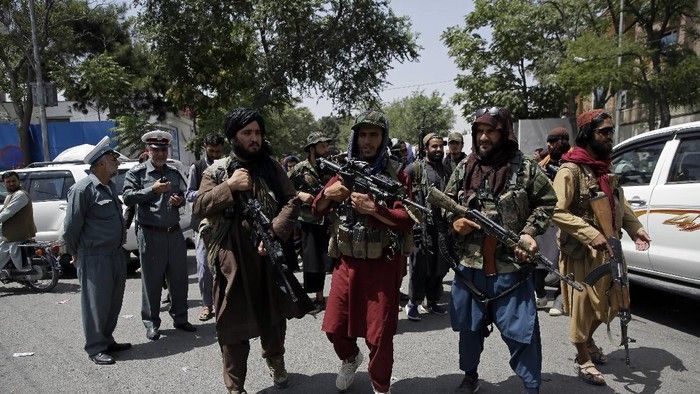
The recent Taliban takeover in Afghanistan could reignite a “second front” discourse in Southeast Asia. However, the potential associated threats to Malaysia’s security need to be contextualized with the current threat environment.
The recent Taliban takeover in Afghanistan could reignite a “second front” discourse in Southeast Asia. However, the potential associated threats to Malaysia’s security need to be contextualized with the current threat environment.

This article outlines how former Indonesian terrorists become advocates for peace through a case study of Ali Fauzi Manzi.

The Taliban’s resurgence has received diverse responses from Malaysians. While other countries are facing security threats from locally-based jihadists seeking to imitate the Taliban’s success, the immediate impact on Malaysia is arguably further social polarisation.

The community plays an important role in the reintegration of terrorists and their families. Recognizing this, ruangobrol.id piloted a “hyper local” project involving individuals of diverse backgrounds.

COVID-19 has not only presented many unprecedented challenges to daily lives; it has changed the violent extremism landscape in Malaysia.
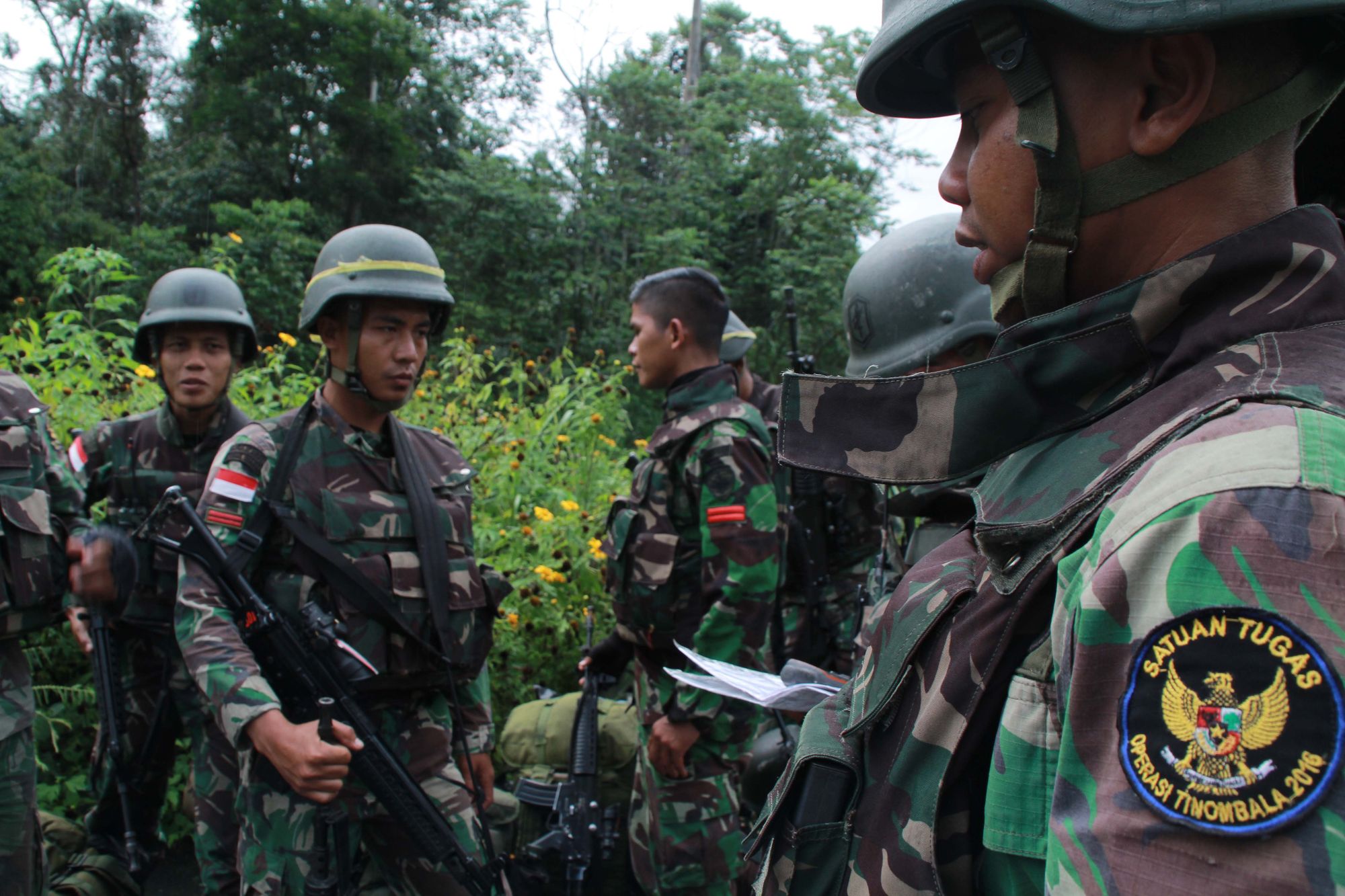
Poso continues to be terrorized by the East Indonesia Mujahidin (MIT) despite having only nine remaining members.

Based on recent terrorist attacks in Indonesia, Jemaah Ansharut Daulah (JAD) will continue exploiting women and kinship for future operations.

Pledging loyalty to the Unitary Republic of Indonesia (NKRI) is an important indicator the government uses to measure the success of terrorist deradicalization programmes inside prisons. However, assessments must continue after an inmate’s release.

The Indonesian government has officially labelled the Free Papua Movement a terrorist group. What are the consequences of this labelling and how can the government counter this terrorist threat in Papua?
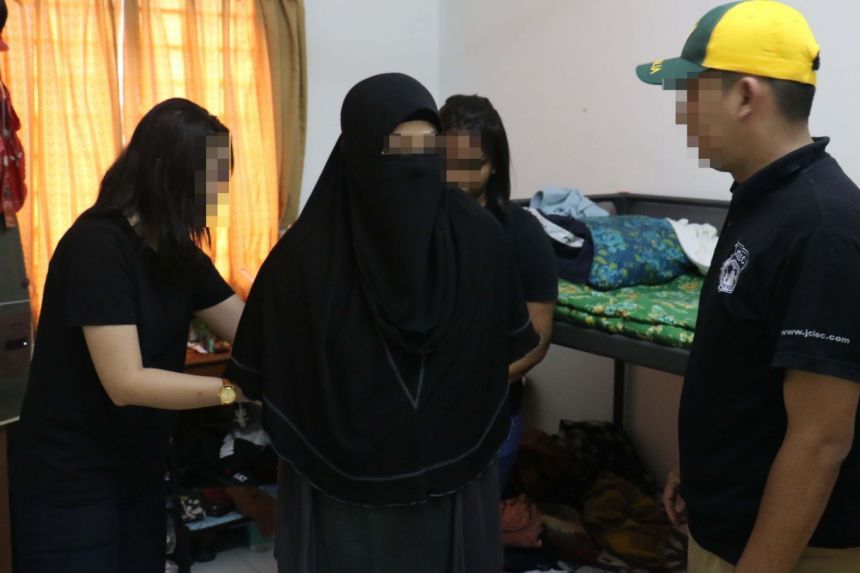
Malaysian women are no longer harmless nor immune to violent extremism. It is thus imperative for gender perspectives to be included in the design and implementation of Countering Violent Extremism (CVE) initiatives in Malaysia.